

🟧 An editorial education on audiobook
🟧 An editorial education on audiobook
Our guide to road-trip listening.
One Thing is back with its classic double-header structure, in which Nate and Kyle recommend things to pass the time on late-summer and holiday drives.
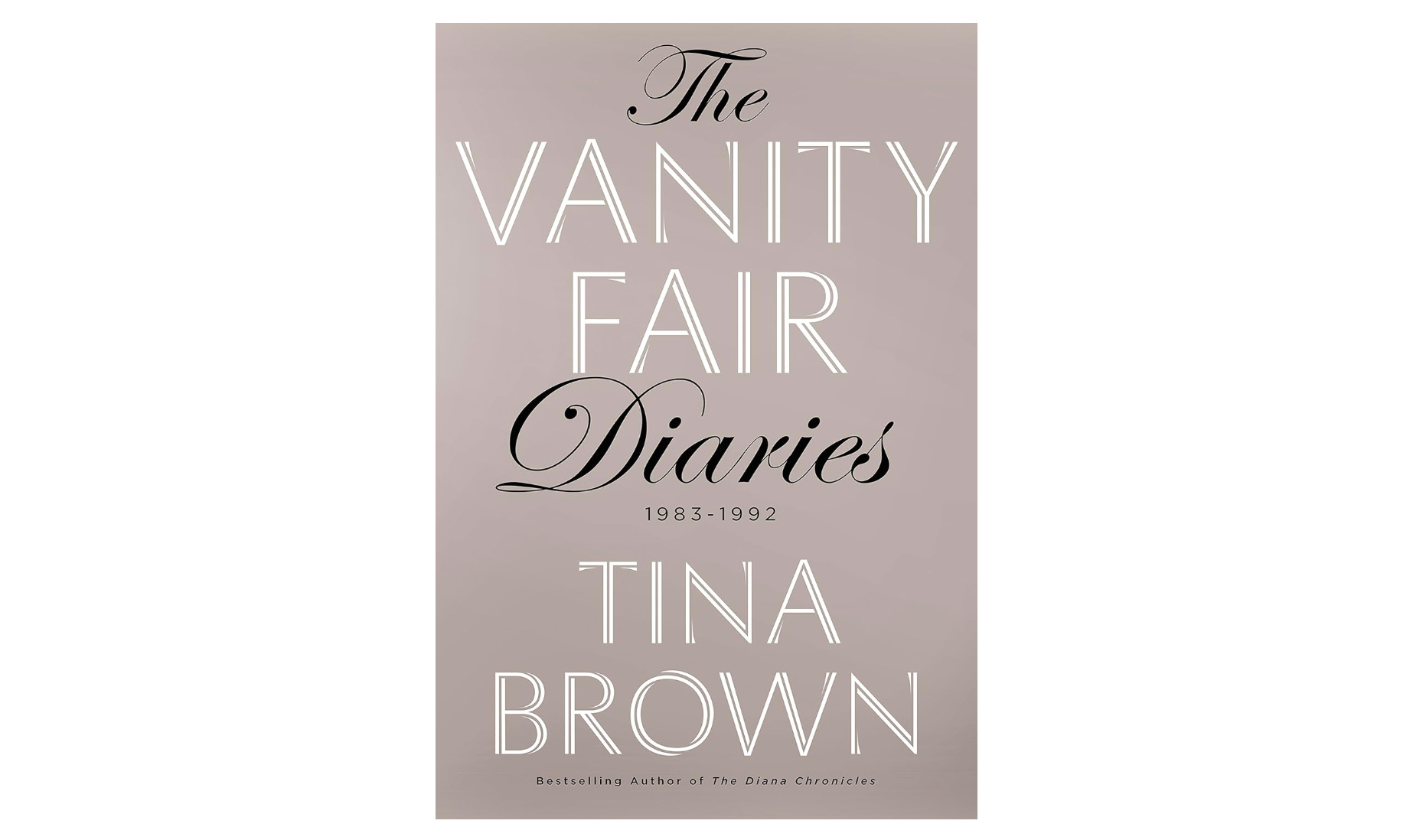
Kyle Chayka: On Labor Day, Jess and I drove back up the coast from the Outer Banks to DC. The first thing we listened to was Pirate Radio 95.3, an all-rock local radio station that provided the perfect soundtrack for crawling along the dunes in a line of cars. Turns out the shifting mists of an imminent downpour really suit trashy electric guitar and arena ballads. (You can stream the station on their site if that’s a vibe you want.) Back on the highway with less interesting scenery, we eventually put on the audiobook of Tina Brown’s The Vanity Fair Diaries, which the legendary editor reads herself in her clipped, high-speed British accent. The hours flew by.
The Diaries are a bit of an IYKYK book, one of the secret classics of 21st-century nonfiction. If you’ve encountered it, you love it; if you haven’t, you’ll be in the cult soon enough. The book came out in 2017, but it covers the years 1983 through 1992, which was when Brown, fresh from editing the British gossip magazine Tatler, took over the ailing Vanity Fair as editor in chief at the age of 30. Within a few years, she made Vanity Fair the peak glossy magazine of the peak glossy magazine era. What we think of the late-20th century magazine, the melding of Hollywood celebrity and incisive intellectual commentary and hard-hitting journalism, was Brown’s innovation. She called it “the mix” and she was always pursuing a perfect version of it in her magazine, like Ahab pursuing his white whale:
I think readers are now understanding the mix can include anyone we happen to find interesting, high or low, and any topic that illuminates the zeitgeist. The unevenness of content is beginning to settle down into something fully baked, glamorous but substantial. What unites it is the voice and the clear visual identity.
Journalism school might teach you how to do man-on-the-street interviews, but it can’t tell you what to find interesting, or how to construct a personal perspective and editorial taste, either as a writer or an editor. And it definitely won’t explain the crucial task of maneuvering your way from a part-time consultancy into a full-time job as Brown does. Everyone involved in media should read this book, because it demonstrates how media — whether magazines or podcasts or TikToks — ultimately comes down to the individual judgment of what’s cool, what’s worth spending time on. And that judgement more often than not emerges from dinner parties and vacations, chats with friends, the observation of the world around you. Just listen to Tina Brown tell you what makes a good table mate and think of what would keep her attention.
Nate Gallant: The IRL soundtrack is a subtle art. As anyone with extremely particular work-music habits or the white-noise curators for sleep or relaxation can tell you, there is a lot of experimentation required. And the place you are listening in makes a big difference. I think this is perhaps most true in the car.
The right Debussy or lo-fi Joe Hisashi remixes can be transportative or create solitude at a mediocre coffee-shop, a busy library, or an otherwise unideal laptop-based work environment. Driving is much more place sensitive. I very much do not want to be listening to the same thing while stuck on the Beltway around DC and Maryland (early in my drive to Princeton, so I want conversation, usually Vibe Check or The Women’s Game) as I do when I’m lucky enough to drive through the Berkshires or the Hudson Valley (always music, but basic: Fleet Foxes in the fall/winter, Yo La Tengo in the summer, spring is a toss-up depending how rainy).
These days, I spend most of my time staring at the most utilitarian sections of I-95 in the mid-Atlantic. The route is, functionally and aesthetically, little more than an industrial train track, connecting ports and other large distribution centers between a few major east coast urban hubs. Even an ugly drive through industrial space can be quite interesting when localized — on the backroads between Queens and Williamsburg, for instance, or around the ring roads around an airport, you see strange pieces of global infrastructure that otherwise entirely escape view unless this is your workplace. There, I like a silent drive, as these types of places are generally noisy of their own accord.
But more than an hour from my destination, after two or more hours in Maryland, with nothing but ambulance-chasing billboards to stare at between me and central New Jersey, I need propellant. Discursive nitrous as the caffeine wanes. Distraction that’s high intensity and low effort. For me this means analytic but not historical sports podcasts: Football Weekly, Not the Top Twenty. (I love Jonathan Wilson’s relatively new, very erudite/historical football show It Was What It Was, but he and his co-host are equally, delightfully nerdy and morose in such a way that it will put you to sleep if you’re tired.) Another option is pop-culture digestion: old episodes of Pop Rocket or Pop Culture Happy Hour. No news. No comedy or extemporaneous bullshit, I will fall asleep immediately. Just the right level of elsewhere, but not so demanding that my already low-energy levels are further taxed, all of which allows me, most importantly, to ignore the tenth Pond LeHockey sign in the outskirts of Philly and resist the desire to continue crafting absolutely rank legal puns.
“because it demonstrates how media — whether magazines or podcasts or TikToks — ultimately comes down to the individual judgment of what’s cool” i really appreciate that you always champion this viewpoint.
i recently saw an executive at my old employer (which is a traditional but a well known retail co) say on linkedin sm like LEADERS TAKE NOTE and it was quote tweeting a post that said “you have to make decisions based on consumer wants not personal preference.” it rubbed me the wrong wayyy sooooo much but now ur take confirms why. if everyone followed what consumers were most buying into everything would look/feel/sound the same. personal preference is necessary for pushing the needle and growth.
VIVA LA TASTE